The 8 Pillars of Yoga as a Life Philosophy

Yoga is far more than a simple physical practice. It's a philosophy of life, a wellbeing approach that encompasses a complete set of practices and principles. If you want to deepen your practice or better understand the basics of yoga, it's essential to know the 8 pillars of yoga, also called the 8 limbs of yoga. These principles, drawn from the ancient writings of yogic philosophy, are the foundations of the whole practice, whether you're a beginner or an accomplished yogi. This article invites you to discover these 8 pillars and understand how to integrate them into your daily life.
Yoga isn't just an activity for improving flexibility or physical fitness — it's a genuine spiritual and psychological approach. Each pillar represents a fundamental aspect of the practice that guides us toward balance, harmony, and wellbeing. By grounding yourself in these principles, you can transform your life, balancing your body, your mind, and your environment.

Yama: The Moral Principles
The first pillar of yoga, Yama, concerns ethics and rules of conduct toward others and the outside world. It includes principles such as non-violence (Ahimsa), truthfulness (Satya), and respect for life (Asteya). These are universal values that go far beyond the physical practice of yoga. They serve to develop a harmonious relationship with oneself and with others.
Niyama: The Personal Rules
Niyama concerns internal practices and personal life rules. These include purity (Saucha), self-discipline (Tapas), self-reflection (Svadhyaya), and devotion (Ishvara Pranidhana). It's about cultivating a healthy, disciplined mind through habits that nourish body and mind. In terms of wellbeing, this can translate into regular meditation or yoga practices, as well as attention to diet, sleep, and stress management.
If you're looking to deepen this practice, a natural yoga mat, designed with an ethical approach, lets you create an environment conducive to reflection and to practicing these personal principles, while bringing an elegant, eco-friendly touch to your space.
Asana: The Physical Practice
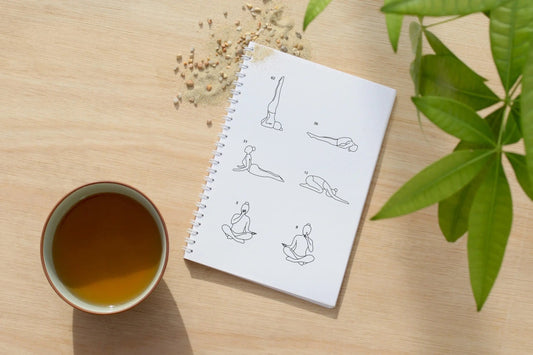
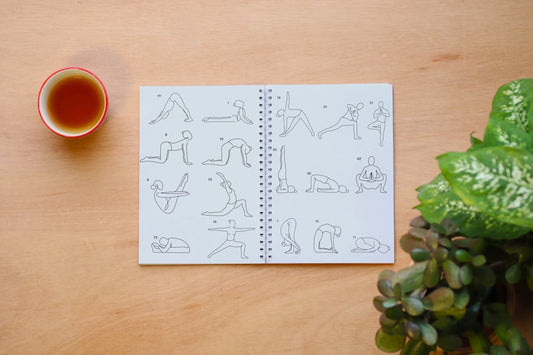
The Asana pillar represents the physical poses, an essential component of yoga. Far more than simple physical activity, asanas are designed to strengthen and loosen the body, while promoting better energy circulation. These poses also help calm the mind and prepare the body for meditation.
The practice of asanas can be both a way to tone the body and to reduce stress.
Pranayama: Breath Control
Pranayama concerns breath control, a practice that aims to increase vital energy (Prana) in the body. Through various breathing techniques, pranayama helps to calm the mind, reduce anxiety, and improve concentration.
Pratyahara: Withdrawal of the Senses
Pratyahara refers to the art of detaching from sensory distractions. It's the process of returning to oneself, introspection, where one learns to detach from external stimulation to focus inward. This pillar is essential for balancing one's professional life, social commitments, and personal moments of relaxation.
This can translate into creating a zen space at home, conducive to meditation and introspection. A yoga mat in your living room or in a room dedicated to your practice can help make that space more peaceful and harmonious.
Dharana: Concentration
Dharana is the art of concentration. It involves directing the mind toward a single point, a valuable technique for reducing mental agitation and improving mental clarity. For a woman living a hectic life, developing the capacity for concentration through meditative practices can have profound effects on her mental and emotional wellbeing.
Dhyana: Meditation
Dhyana goes beyond concentration. It represents deep meditation, where the mind is at peace and where there is no more distraction. The practice of meditation allows one to reach a state of pure consciousness, which leads to inner peace and wellbeing. Taking time to meditate each day can have beneficial effects on managing stress and emotions.
Samadhi: Unity
The final pillar, Samadhi, is the state of unity, of spiritual ecstasy, where one merges with the universe. It's the ultimate goal of yoga, a state of absolute fullness where the mind and body are in perfect harmony. Although this is a distant goal, the path toward this state of inner peace begins with the other pillars and is cultivated through regular practice.
Conclusion: Living the 8 Pillars of Yoga Every Day
The 8 pillars of yoga are not just ancient philosophical concepts, but concrete tools for improving our daily lives. Whether by cultivating ethical values, practicing meditation, or caring for the body through yoga, these pillars offer us a path toward overall wellbeing.