Anti-Anxiety Yoga Routine for Teenagers

Anxiety is a common problem among teenagers, and it can affect their emotional well-being, mental health, and quality of life. Teenagers are especially vulnerable to anxiety because of the physical, emotional, and social changes that happen during this period of their lives.
The causes of anxiety in teenagers:
- Academic pressure and high expectations
- The physical and emotional changes of puberty
- Social relationships and interactions with peers
- Family problems and conflicts
- Stressful events such as exams, sports competitions, etc.
In this article, we'll walk you through a yoga routine specifically designed to reduce anxiety in teenagers.
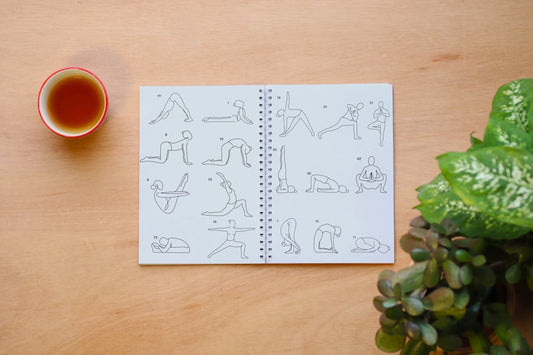
Yoga routine for anxiety in teenagers
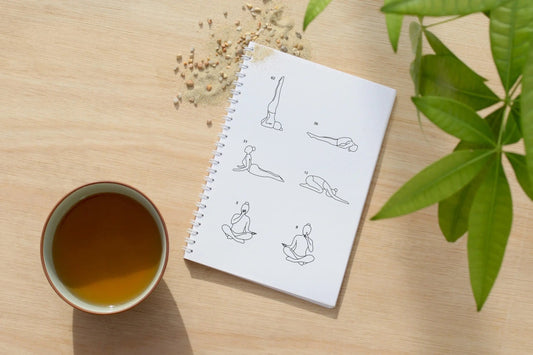
1. Child's Pose (Balasana)

Balasana, or child's pose, is a posture of comfort, relaxation, and grounding found in all yoga practices. Depending on its variations, it can also stimulate the digestive process.
Technique: Kneel down, buttocks touching your heels and knees spread hip-width apart. Take a deep breath in and slide your hands forward. Gently let your back lengthen as you sit back on your heels, with your belly settling onto your thighs. Your front should touch the floor. To deepen the posture, stretch your arms far forward, fingers on the floor in an inverted cup shape, with elbows lifted.
2. Marjariasana (cat pose)

Technique: On all fours, inhale as you gently arch your back and lift your head (cow pose). Exhale as you round your spine and bring your chin toward your chest. Alternate these movements, syncing them with your breath.
3. Vajrasana (the diamond pose)

Vajrasana, or the diamond pose, is a simple, accessible asana known for its soothing qualities. It aids digestion, calms the nervous system, and helps reduce stress and anxiety. Thanks to its stability, it is often used for meditation or mindful breathing, especially among teenagers.
Technique: Kneel down, buttocks resting on your heels. Your big toes touch at the back, while your heels spread slightly apart to accommodate the pelvis. If needed, you can space your knees slightly apart for more comfort. Keep your back straight, your head aligned with your spine, without letting it tilt forward.
Place your hands on your thighs, palms up for an open posture, or palms down for a more grounded, inward effect.
4. Vrikshasana (tree pose)

Vrikshasana comes from the Sanskrit word vriksha, meaning "tree," and asana, meaning posture. This pose symbolizes stability and rootedness.
Technique: Standing, place one foot on the opposite thigh. Hands are in prayer position at the chest or raised above the head. Fix your gaze on a point in front of you to keep your balance and breathe deeply.
6. Fish Pose (Matsyasana)

The name of this pose, the fish, comes from the fact that adopting it in water allows you to float. Physically, it effectively corrects the tendency to round the shoulders. It also helps tone the nerves in the neck and back. Mentally, through this posture of opening and stretching the chest, this āsana works wonders: it helps us open our hearts to the world. It's an expansive posture that eases the airways.
Technique : lying on your back, legs extended, slide your hands under your buttocks or rest them alongside your body. On the inhale, gently press into your elbows to lift your chest and arch the upper back. The head rests gently on the floor or remains slightly suspended, throat open. Breathe deeply into the rib cage.
7. Virbhadraasana 1 (Warrior 1)

Warrior 1 pose, or Virabhadrasana 1 in Sanskrit, takes its name from the legendary warrior Virabhadra, created by Lord Shiva to restore cosmic balance. This posture embodies not only physical strength, but also the resilience and wisdom to face life's challenges.
Technique: From Tadasana, place your back foot at a 45-degree angle, with your heels aligned or slightly closer than hip-width for more stability. Press the outer edge of your back foot into the mat and straighten your back leg. Bend your front knee to 90° and align your hips and chest forward. Stretch your arms above your head, palms facing each other or touching. Look straight ahead or up toward your thumbs if that's comfortable for your neck.
Caution: Be careful not to arch your lower back — engage your core to support your spine. Maintain stability by pressing lightly into both feet. If you feel pain in your knee or hip, reduce the depth of the lunge.
8. Parsvottanasana (intense side stretch pose)

Parsvottanasana, or the intense side-stretch pose, combines grounding, balance, and deep stretching. Formed from the Sanskrit words "Parsva" (sides) and "Uttanasana" (intense forward bend), it invites an intense lengthening of the torso over the legs. According to B.K.S. Iyengar, this posture has a soothing effect on the nervous system: it "refreshes the brain and calms the nerves," ideal in times of tension or heat.
Technique: Standing at the front of your mat, step your right leg back a medium-length stride, foot slightly turned out. Align your hips forward and root both feet firmly into the ground. Place your hands in prayer position behind your back (or hold your elbows if needed). Inhale to lengthen your spine, then exhale as you fold forward from the hips. Your gaze rests on your shins. Feel the stretch in the back of the legs and the opening of the upper body. Remember to repeat the posture on the other side for balanced work.
9. Bhujangasna (Cobra pose)

Cobra pose, or Bhujangasana, is a backbend posture in yoga. Bhujangasana comes from the Sanskrit word "bhujanga," which means "serpent." As such, it can be broken down into "bhuja," meaning "arm" or "shoulder," and "anga," meaning "limb." This posture strengthens without strain: a gentle extension that activates the back muscles and stimulates the heart chakra in teens.
Technique: lying on your stomach, chin on the floor, hands under your shoulders, inhale and gently lift your upper chest using the strength of your back. The arms support but don't push, like the cobra which has no arms or hands.
10. Nadishodhna pranayama

Nadi Shodhana, or alternate nostril breathing, is a pranayama exercise that purifies the energy channels (nadis), balances the two hemispheres of the brain, and deeply calms the nervous system. It's an ideal practice for calming mental restlessness, reducing stress, and promoting inner clarity.
Technique: Sit comfortably, back straight, shoulders relaxed. Place your right hand in front of your face: rest your index and middle fingers between your eyebrows (at the third eye), your thumb near your right nostril, and your ring finger near the left.
Begin with a deep inhale and exhale, with both nostrils open.
Then:
- Close the right nostril with your thumb, inhale slowly through the left.
- Hold your breath briefly.
- Close the left nostril with your ring finger, exhale through the right.
- Inhale through the right, hold again, then exhale through the left.
This back-and-forth makes up one complete cycle. Repeat for a few minutes, at your own pace, keeping your breathing calm and mindful.
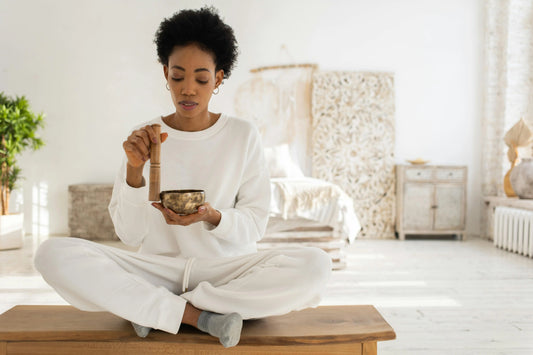
11. Meditation

Mindfulness meditation is a practice of gently observing the present moment. It involves focusing your attention on what's happening here and now, within yourself and around you, without judgment or distraction. This state of presence promotes mental calm, reduces stress, and improves overall quality of life.
Technique: Sit comfortably, in silence or with soft background sound. Close your eyes if that helps. Bring all your attention to your breath: feel the air moving in and out of your nostrils, observe the natural movement of your belly. Whenever your mind wanders, gently bring it back to the inhale, then the exhale.
This anchoring to the breath brings you back to the present and fully connects you to the experience of the moment.
To finish, the benefits of yoga for anxiety in teenagers:
Yoga postures can help teenagers manage anxiety and feel calmer and more centered. Here are a few benefits:
- Reduces stress and anxiety
- Improves focus and self-confidence
- Helps build healthy, positive habits
- Promotes better emotional management