Hormonal Yoga: A Practice to Balance Your Body

Hormonal yoga is an innovative, targeted method aimed mainly at women, but which can also benefit anyone wishing to regulate their endocrine system. By combining specific poses, breathing techniques, visualizations, and energy locks (bandhas), this practice aims to naturally stimulate the glands responsible for hormone production, such as the ovaries, thyroid, adrenal glands, and pituitary gland. Discover how this unique discipline can help you restore hormonal balance and improve your overall well-being.
The origins and principles of hormonal yoga
Hormonal yoga was created in the 1990s by Dinah Rodrigues, a Brazilian psychologist and yoga teacher. When she became interested in hormonal imbalances in women, Rodrigues discovered that certain techniques from traditional yoga had a profound impact on the endocrine system. By combining these techniques with her knowledge of physiology, she developed a series of exercises tailored to the specific needs of women at different ages.
The main goal of hormonal yoga is to reactivate the endocrine glands and stimulate the body's natural hormone production. Unlike medical treatments, this method is entirely natural and non-invasive, making its benefits accessible to a wide range of people.
What are the benefits of hormonal yoga?
Practiced regularly, hormonal yoga offers a wealth of benefits for body and mind. This practice helps regulate the menstrual cycle by stimulating the ovaries and balancing estrogen and progesterone levels, which is especially beneficial for women suffering from conditions such as premenstrual syndrome (PMS) or polycystic ovary syndrome (PCOS). In addition, by promoting better blood circulation in the pelvic region and activating the ovarian glands, hormonal yoga can support women in their desire to conceive.
During menopause, this discipline helps ease often debilitating symptoms such as hot flashes, insomnia, mood swings, and night sweats, thanks to its effect on hormonal regulation. In addition, the breathing and relaxation techniques it incorporates play an essential role in calming the nervous system and reducing stress, a factor often linked to hormonal imbalances.
By naturally balancing the endocrine system, hormonal yoga also helps prevent chronic diseases such as diabetes, osteoporosis, and cardiovascular disorders. Finally, people who practice regularly report an overall improvement in their quality of life: renewed energy, more restorative sleep, more radiant skin, and healthier hair.
The key techniques of hormonal yoga
Yoga poses (asanas)
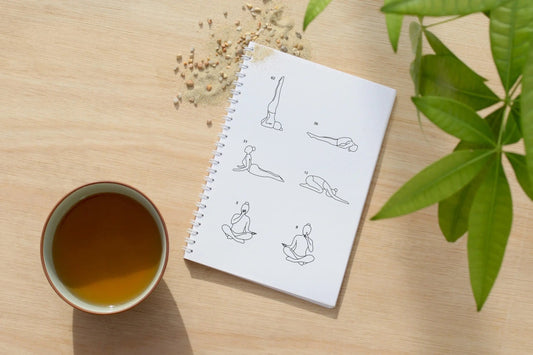
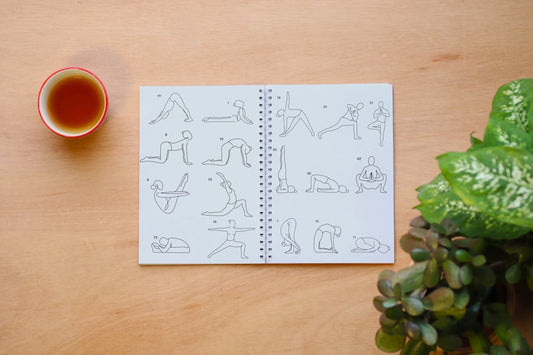
The asanas chosen in hormonal yoga are designed to target specific areas of the body where the main endocrine glands are located. Featured poses include:
- Bridge pose (Setu Bandhasana): stimulates the ovaries and improves blood circulation in the pelvis.
- Cobra pose (Bhujangasana): promotes regeneration of the adrenal glands and thyroid.
- Fish pose (Matsyasana): ideal for activating the thyroid and parathyroid.
Breathing techniques (pranayama)
Hormonal yoga incorporates powerful breathing techniques, such as:
- Kapalabhati: a fast, energetic breath that stimulates the ovaries and adrenal glands.
- Bhastrika: a belly breath that revitalizes the glands in depth.
Bandhas and visualizations
Bandhas, or "energy locks," play a key role in the practice. They allow you to concentrate energy in specific areas of the body. Combined with positive visualizations, they strengthen the connection between the mind and the endocrine system.
Who is hormonal yoga for?
Hormonal yoga is particularly recommended for:
- Women experiencing hormonal imbalances such as PCOS or PMS.
- Women in perimenopause or menopause.
- People seeking to improve their fertility.
- Anyone dealing with chronic stress or wishing to improve their energy and well-being.
However, certain contraindications exist, notably in cases of pregnancy, hormone-dependent cancer, or serious heart conditions. It's advisable to consult a healthcare professional before starting.
How to incorporate hormonal yoga into your routine?
For optimal results, it's recommended to practice hormonal yoga three to four times a week. A session can last between 30 minutes and an hour, depending on your needs and available time.
Breathing techniques, such as Nadi Shodhana (alternate nostril breathing), can easily be incorporated into your daily routine to maintain a state of calm and focus.
A valuable tool for balancing body and mind
Hormonal yoga offers a natural and holistic approach to harmonizing the endocrine system. By restoring hormonal balance, it helps overcome many challenges related to women's health, while providing lasting physical and mental well-being.
Whether you want to ease menopause symptoms, restore a regular menstrual cycle, or simply improve your quality of life, hormonal yoga is a gentle, effective solution suited to all ages. So why not try this beneficial practice today?