Does Pilates Make Your Body More Flexible?

Pilates is a physical conditioning method that emerged in the early 20th century, developed by Joseph Pilates. This discipline combines muscle-strengthening exercises, breath control, and mental focus. Its main goal is to improve posture, flexibility, balance, and strength. Among the many benefits this practice can offer, one frequently asked question is: can Pilates make the body more flexible?
The answer is generally yes, but it's worth nuancing this idea by detailing the specific mechanisms at play and explaining why Pilates can be an excellent choice for improving the body's flexibility.
Pilates: a comprehensive approach to flexibility
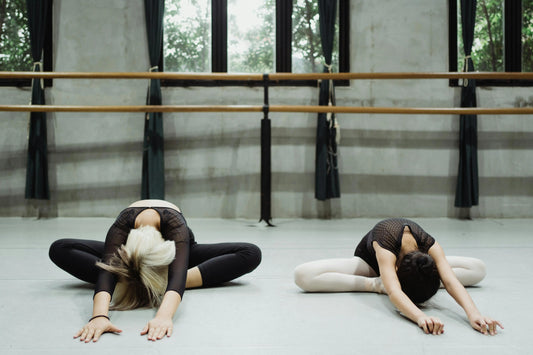
Pilates, like yoga, focuses on body alignment, but unlike certain practices that focus exclusively on stretching, Pilates takes a more balanced approach, combining strengthening and stretching. While some Pilates exercises are specifically designed to strengthen the deep core muscles, others promote muscle stretching and lengthening, helping to improve overall body flexibility.
The movements performed during Pilates sessions are often slow, controlled, and highly precise. This not only strengthens the muscles in a targeted way but also stretches them progressively, avoiding the risk of injury while increasing the range of motion of the joints. For example, during spinal flexion or extension exercises, the muscles of the back, legs, and hips are stretched, which improves their flexibility.
The relationship between toning and flexibility
Pilates aims to balance muscle strengthening and stretching. Unlike other methods that focus solely on stretching, such as static stretching or yoga, Pilates actively engages the muscles during exercises, which can, somewhat paradoxically, promote flexibility in the long run. By strengthening the muscles, particularly those of the core and back, Pilates improves posture and allows for better management of flexibility.
When a muscle is strengthened and toned, it is less prone to tension and contraction. A well-trained muscle also relaxes more easily after exertion, which makes stretching easier. Furthermore, regular practice of Pilates promotes muscular balance, which helps avoid the overcompensation or muscular imbalances that can limit flexibility. For example, overly contracted muscles in the lower back or legs can restrict range of motion, while a well-balanced body, thanks to Pilates, will move more fluidly.
Specific exercises to improve flexibility
Pilates offers several exercises specifically designed to improve flexibility, particularly in the hips, lower back, and legs. Movements such as "leg extensions," "spinal stretches," or "rolling like a ball" are examples of exercises that help loosen muscles while also strengthening them.
These exercises focus on key joints, such as the spine, hips, and shoulders, allowing them to move through a greater range of motion. The progressive stretching of these areas of the body helps improve flexibility, which is particularly beneficial for those who spend a lot of time sitting or whose muscles are often tight due to stress or poor posture.
The muscle stretches performed in a dynamic way in Pilates help build flexibility while reducing the risk of muscle stiffness. Unlike other disciplines where stretch positions are held for several seconds or minutes, Pilates combines stretching with fluid movements, which promotes a flexibility that stays active and functional in everyday life.
Long-term effects: lasting flexibility
The flexibility gained through Pilates is not immediate. It builds gradually and requires regular practice. As sessions progress, the muscles become more elastic, blood circulation improves, and the joints gain mobility. This improvement in flexibility occurs mainly in the core, hips, lower back, and legs, where Pilates can have notable effects.
However, it's essential to note that progress in flexibility varies from person to person. Factors such as age, lifestyle, genetics, consistency of practice, and even diet can influence how quickly a person becomes more flexible. For some, visible results can be seen within a few weeks, while for others, it will take a bit longer.
The importance of consistency
For Pilates to effectively improve the body's flexibility, consistency of practice is crucial. If you practice Pilates sporadically, the benefits for flexibility will be limited. On the other hand, regular practice, combined with careful attention to technique and breathing, will allow you to see an improvement in mobility and flexibility over time.
If you want to fully enjoy the benefits of Pilates, good equipment is essential. Our MAHOLA mats are perfectly suited to both yoga and Pilates, offering optimal comfort for all your sessions. With consistent practice and the right equipment, you'll quickly notice improvements in flexibility and overall wellbeing.