How to become a Pilates professional: training, skills and opportunities

Pilates is a method of physical training that has grown considerably in recent years. Based on core principles such as breathing, control, and fluidity of movement, it draws a wide audience, from athletes to people in rehabilitation. With this rising popularity, the Pilates instructor profession offers many opportunities. But how do you become a qualified instructor, and what steps should you follow to make it your career?
Understanding the role of a Pilates instructor
A Pilates instructor is an expert in movement and well-being, responsible for guiding students in learning and mastering the exercises of the Pilates method. Their role isn't limited to demonstrating postures; they must guide students through their progress, adapt exercises to their needs, and ensure proper execution to prevent injury.
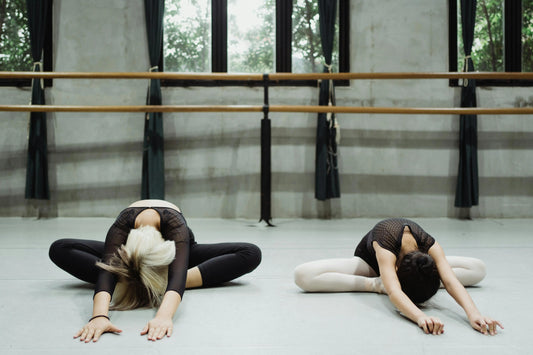
Unlike other athletic practices, Pilates places emphasis on the connection between body and mind, focusing on precision of movement and controlled breathing. Sessions can be done on the floor, with a simple mat, or on specific equipment like the Reformer, the Cadillac, or the Wunda Chair. Each piece of equipment offers a variety of exercises and allows the difficulty to be intensified or adapted according to the practitioner's level.
The skills needed to teach
Being a Pilates instructor requires much more than simply mastering the exercises. A solid understanding of human anatomy and physiology is essential to adapt movements to students' abilities and any physical limitations. Understanding biomechanical principles is key to teaching safely and maximizing the benefits of the practice.
The teaching aspect is just as crucial. A good instructor must be attentive, able to motivate, and able to clearly explain movements. Each student progresses at their own pace, and it's necessary to know how to adjust your teaching to specific needs, whether for beginners, advanced students, people in rehabilitation, or pregnant women.
Patience, kindness, and good communication are essential qualities for building a relationship of trust with students and supporting their progress.
Training to become a Pilates instructor
To date, there's no state-recognized diploma specifically for becoming a Pilates instructor. However, to legally lead classes, it's advisable to earn a qualification in the field of sport, such as the BPJEPS Activités de la Forme or the CQP Instructeur Fitness. These certifications provide a solid foundation in athletic instruction and are often required to work in a gym.
In addition, it's essential to complete specialized Pilates training offered by recognized organizations. Several private schools, in France and internationally, offer certifications that allow you to teach the Pilates method with full legitimacy. Among the most reputable training programs are those from STOTT Pilates, Balanced Body, BASI Pilates, and Polestar Pilates.
These programs cover different levels of expertise, ranging from Matwork (floor practice) to exercises with equipment. Depending on the program chosen, the duration and cost of training vary. On average, you should expect to pay between €4,000 and €8,000 for a complete certification.
Some programs are intensive and take place over several weeks, while others are spread out over several months, making it possible to combine them with another job. It's also possible to take additional modules to specialize in a specific area, such as therapeutic Pilates, prenatal Pilates, or senior Pilates.
Finding work as a Pilates instructor
Once certified, several professional opportunities open up for Pilates instructors. It's possible to work in a specialized studio, a gym, a wellness center, or even a physical therapy practice to complement a therapeutic approach. Some choose to work independently, giving classes at clients' homes or organizing online sessions.
The rise of digital platforms has opened up new prospects, with platforms offering video-call classes or pre-recorded video courses. This approach makes it possible to reach a wider audience and increase income without being limited by geography.
To build a client base, it's recommended to work on your image and visibility. Having an online presence, through a website, an Instagram account, or a YouTube channel, can be an excellent way to attract new students. Sharing your expertise through tips, demonstrations, and testimonials can help you become known and stand out.
Growth and specializations
The Pilates instructor profession offers many possibilities for growth. With experience, some professionals choose to specialize in a particular area, such as Pilates for athletes, rehabilitation, or supporting pregnant women and seniors.
Others continue their training to become trainers of instructors, thereby opening their own school or studio. Launching a certification program allows you to pass on your knowledge and support other passionate people through their career change.
It's also possible to round out your expertise with complementary disciplines like yoga, sophrology, or sports coaching, in order to offer more holistic support and reach a more varied clientele.
How much does a Pilates instructor earn?
A Pilates instructor's pay depends on several factors, notably their experience, their place of work, and their working arrangement.
An instructor employed in a studio or gym can earn a salary of between €2,000 and €4,000 gross per month, depending on their level and the number of classes taught.
As an independent instructor, hourly rates generally range between €40 and €80 per session, or even more in some major cities or for private lessons. Those who build online courses or a well-established studio can reach much higher incomes depending on their reputation and their ability to retain clients.
Becoming a Pilates instructor is an exciting journey that requires an investment of time and training, but that offers in return a rewarding and fulfilling career. Whether in a studio, at clients' homes, or online, opportunities are plentiful and demand keeps growing. By pursuing solid training, developing your skills, and cultivating a well-suited teaching approach, it's entirely possible to turn your passion into a real career. For those seeking a career centered on well-being and helping others, Pilates represents a stimulating professional path full of promise.