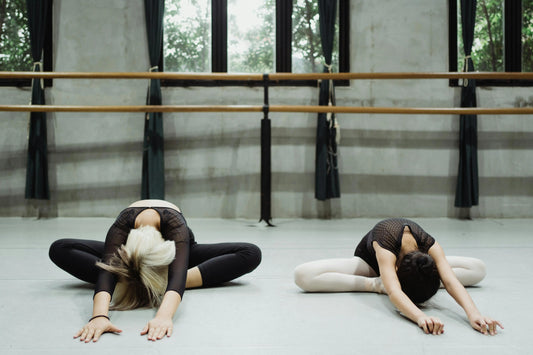
Prenatal Pilates: Benefits During Pregnancy

A gentle method to support the body's and mind's transformations
Pregnancy is a period of profound physical and emotional change. To support these changes, prenatal Pilates proves to be a gentle and effective practice. It helps strengthen the body, improve posture, and prepare serenely for childbirth.
What is prenatal Pilates?
Prenatal Pilates is an adaptation of the traditional Pilates method, specifically designed to meet the needs of pregnant women. It focuses on strengthening the deep muscles, notably the pelvic floor, the abdominals, and the back muscles, while placing emphasis on breathing and posture.
This practice aims to:
- Gently strengthen the body
- Improve posture to relieve back pain
- Promote relaxation and connection with the baby
- Prepare the body for childbirth and postpartum recovery
The benefits of prenatal Pilates
1. Strengthening the pelvic floor
Prenatal Pilates deeply engages the pelvic floor, essential for supporting the uterus and preventing the risk of urinary incontinence. A toned pelvic floor also facilitates childbirth and postnatal recovery.
2. Improved posture
As pregnancy progresses, the center of gravity shifts, which can lead to back pain. Pilates helps maintain balanced posture, reducing muscle tension.
3. Stress reduction and improved breathing
Pilates breathing exercises promote relaxation and help manage stress. Controlled breathing is also beneficial during childbirth.
4. Preparation for childbirth
By strengthening muscles and improving flexibility, Pilates prepares the body for the effort of childbirth, facilitating labor and recovery.
What does a prenatal Pilates session look like?
A typical prenatal Pilates session includes:
- Gentle warm-up: to prepare the body and refocus.
- Targeted exercises: focused on strengthening the deep muscles, posture, and breathing.
- Stretches: to improve flexibility and relieve tension.
- Final relaxation: to integrate the benefits of the session and strengthen the connection with the baby.
Sessions can be adapted to each trimester of pregnancy and are generally practiced on a mat, sometimes with the help of accessories such as balls or resistance bands.
Precautions to take
Before starting prenatal Pilates, it's essential to:
- Consult your doctor or midwife to make sure the practice is suited to your situation.
- Choose a qualified instructor, trained in prenatal Pilates.
- Listen to your body and adapt the exercises to your energy level and comfort.
Incorporating prenatal Pilates into your daily life
Prenatal Pilates can be practiced from the first trimester onward, at a rate of 1 to 2 sessions per week. It's important to create an environment conducive to relaxation, with a comfortable mat and suitable accessories.
At MAHOLA Yoga, we offer a selection of ethical, high-end yoga mats as well as wellness accessories to support your practice with complete peace of mind.
In summary
Prenatal Pilates is a gentle, beneficial practice that supports pregnant women throughout their pregnancy. It helps strengthen the body, improve posture, reduce stress, and prepare serenely for childbirth.
To discover other complementary practices, check out our article on boosting your metabolism through yoga.