Relieving Back Pain with Pilates

A pervasive problem, an accessible solution
Back pain, primarily non-specific low back pain, affects a large majority of the population and represents a major personal and economic burden
Faced with this issue, Pilates stands out as a non-medicinal, gentle, and targeted method, promoting spinal stabilization through the strengthening of deep core muscles, postural awareness, and controlled breathing .
Recent studies show that Pilates is not only more effective than a lack of physical activity in reducing pain and disability in the short and medium term, but it also offers effects similar to other active exercises (motor control, general strengthening).
Scientific evidence to support it
A Cochrane review (2015) analyzed 10 randomized trials (510 patients) and concluded that:
- Pilates significantly reduces pain (MD approximately –14 in the short term, –10 in the medium term) compared to a minimal intervention.
- Functional disability also decreases with a moderate effect in the medium term
- Compared to other exercises, Pilates is not superior in terms of pain or disability, according to low- to moderate-quality evidence
A more recent meta-analysis (2022‑2023), based on 19 trials, confirms the effectiveness of Pilates on pain, both compared to inactivity and other practices . Another review (2016) indicates that these benefits are often observed after at least 20 hours of cumulative practice, with notable effects on function, muscle strength, and mobility.
Finally, a review published in 2024 highlights that Pilates improves posture, quality of life, and relieves chronic pain, including lower back pain, while being accessible to a wide audience in a public health context.
Why Pilates works for back pain
Pilates acts on several levels:
- It activates the deep core muscles (transverse abdominis, multifidus, lumbar), which are essential for stabilizing the spine and reducing the load on the joints .
- It improves posture by reducing compensations, thanks to better body awareness and breathing synchronized with movement .
- It develops flexibility, mobility, balance, and muscular endurance, which are key factors in preventing recurrence and reducing muscle tension (often localized around the pelvis and hip flexors) .
About the Pilates method
The Pilates method is based on fundamental pillars such as centering, control, breathing, concentration, precision, and muscular balance. The central concept of the "powerhouse" involves deep engagement of the transverse abdominis and the pelvic floor to support the spine.
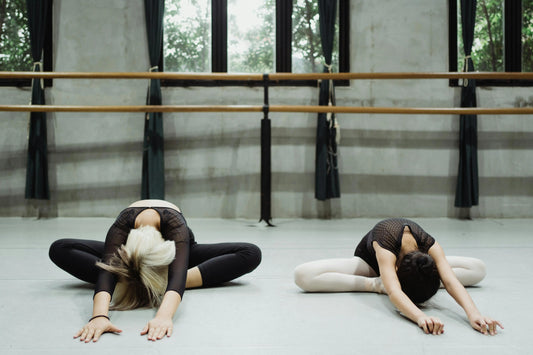
It exists in different forms: mat Pilates, Pilates on machines (Reformer, Chair, Barre…) or with accessories. Guidance from a certified instructor is strongly recommended to ensure correct alignment and avoid poor posture that could worsen pain .
Practical tips for getting started (2 key points)
Start gradually: focus on simple exercises like The Hundred, Bird Dog, or forearm side-planks. The goal: accumulate about 20 hours of practice spread over a few months, or 2 to 3 sessions per week to benefit from lasting effects.
Pay attention to how you feel: always respect the Pilates principles (control, breathing, centering). In case of acute or persistent pain, consult a professional. Choosing a good mat (like those available in your Pilates product range at Mahola Yoga) can improve comfort and safety.
Integrate Pilates into your routine with Mahola Yoga
Browse our products: MAHOLA yoga mats, available in 3, 5, and 7 mm thicknesses, are perfectly suited for Pilates practice. Their non-slip texture and well-balanced density guarantee both comfort and stability, regardless of the type of exercise performed, from gentle postural work to more dynamic sequences. The 7 mm model provides excellent cushioning to protect joints, while the thinner versions (3 and 5 mm) offer more stability and are easier to transport. Whether you practice at home or in a studio, these mats adapt easily to your needs, in Pilates as well as other wellness disciplines.
Explore in-depth blog articles on Pilates in our Journal - Pilates section.
By combining Pilates with practices such as gentle stretching, regular breaks at work, adapted ergonomics, or activities like walking or swimming, you maximize your chances of effectively relieving your back .
Conclusion: Pilates and back pain, a coherent and validated solution
Pilates stands out as a reliable and scientifically supported method for relieving lower back pain and improving function. Although it is not systematically superior to other active exercises, its gentle profile, global scope (physical and mental), and ability to be adapted to all levels make it a particularly relevant option.