Stretching or Pilates: Which Practice Should You Choose?

Stretching and Pilates are two complementary disciplines aimed at improving physical and mental well-being. Yet they don't quite address the same needs and don't serve the same goals. If you're torn between these two practices, it's important to understand their specifics in order to make an informed choice.
Stretching: a practice focused on flexibility and relaxation
Stretching is based on a series of stretching exercises designed to improve muscle flexibility and joint mobility. Inspired by the warm-ups of dancers and athletes, it gradually loosens up the body by lengthening the muscles and promoting better blood circulation.
By practicing stretching regularly, you'll notice a clear improvement in range of motion. This is a practice particularly suited to people suffering from muscle tension, especially those who spend long hours sitting or who often feel stiffness in the back, shoulders, or legs. After a session, you generally feel a sense of lightness and relaxation, since stretching releases accumulated tension and relieves some stress.
Stretching is also an excellent way to prevent injuries. By loosening the muscles and joints, it reduces the risk of strains, tendinitis, or muscle pain linked to lack of mobility. That's why it's often recommended for athletes, whether as a complement to strength training, running, or a team sport.
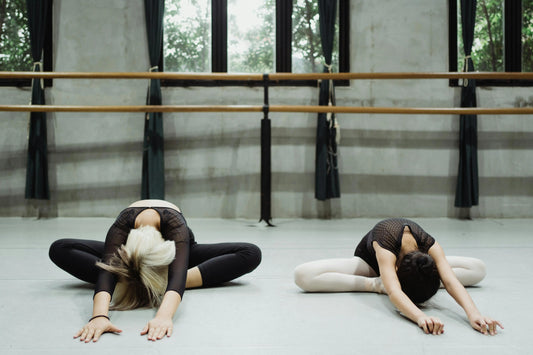
A stretching session generally consists of slow, controlled exercises, where each posture is held for several seconds to allow the muscles to stretch deeply. Breathing plays a key role, as it helps release tension and increase range of motion. Some styles of stretching, such as postural stretching or dynamic stretching, add a more targeted or more active dimension to the practice.
Pilates: deep muscle strengthening
Unlike stretching, which is primarily aimed at flexibility, Pilates is a muscle-strengthening method that focuses on the body's deep muscles, particularly those of the center (abs, back, pelvic floor). Created by Joseph Pilates in the early 20th century, this discipline is based on a sequence of precise movements, combining strength, control, and fluidity.
One of the great principles of Pilates is working on posture. By strengthening the stabilizing muscles, this method helps correct imbalances and adopt better daily posture. This is particularly beneficial for people suffering from back pain or poor posture linked to a sedentary lifestyle.
Pilates also improves flexibility, but in a different way than stretching. The movements performed during sessions simultaneously lengthen and strengthen the muscles, promoting a more toned and balanced musculature. In fact, does Pilates make the body more flexible? If you're asking yourself this question, know that although it's not as targeted as stretching, it does provide a gradual, lasting gain in muscle elasticity.
Practiced on a natural yoga mat, such as a plastic-free Ayurvedic cotton mat, Pilates offers optimal comfort and better grip for performing exercises with complete peace of mind. A Pilates session generally begins with breathing exercises and body awareness work. Then, various movements follow, often performed on the floor, which engage the muscles of the trunk and limbs in a harmonious way. Some exercises can be done with small equipment such as balls, resistance bands, or circles to add resistance and diversify the sessions.
In addition to its physical benefits, Pilates is also beneficial for the mind. It promotes concentration and relaxation, as it requires particular attention to the execution of movements and to breathing. Many practitioners feel a soothing effect after a session, similar to what is found in disciplines like yoga.
Stretching or Pilates: how to choose?
The choice between stretching and Pilates depends above all on your personal goals. If your priority is to improve your flexibility, release tension, and prevent muscle pain, then stretching will be more suitable. It is particularly recommended for people who lack mobility or who feel stiffness in their daily life.
On the other hand, if you're looking for a more complete discipline that combines muscle strengthening, improved posture, and increased flexibility, then Pilates is an excellent option. It suits beginners as well as athletes, and helps develop better body awareness while toning the deep muscles.
If you want to optimize your results, it's worth asking what sport to pair with Pilates for optimal results. In addition to Pilates, activities such as yoga, swimming, or light strength training help balance the effects of this practice and achieve more complete benefits.
It's also essential to properly understand what the basis of Pilates is in order to reap all of its benefits. This discipline is based on fundamental principles such as breathing, control of movement, and precision, which make it an accessible and effective practice for all levels.
So?
So, stretching and Pilates are two different approaches to physical well-being, but they are far from incompatible. While stretching focuses on loosening the muscles and releasing tension, Pilates offers deep muscle strengthening while also working on flexibility.
If you're still unsure, the best approach is to try both disciplines to see which one best suits your needs and preferences. Whether it's to relieve tension, improve your posture, or simply take some time for yourself, these two practices can easily fit into your routine and contribute to your overall well-being.