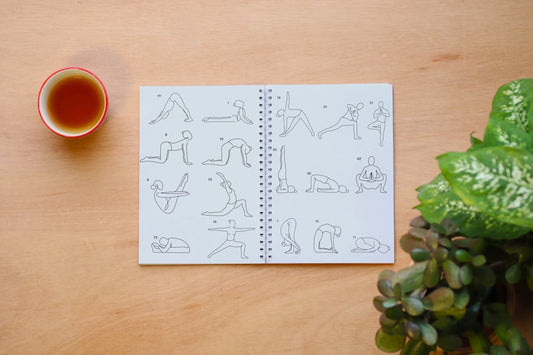
Detox Yoga Session: 7 Poses to Cleanse Your Body

Detox yoga sessions are growing in popularity, driven by a new generation eager to combine movement, breath, and deep purification of the body. More than just a physical practice, this style of yoga uses twisting postures synchronized with precise breathing to stimulate the massage of internal organs, boost blood circulation, and activate the elimination of toxins. This routine aims for a dual benefit: a positive effect on digestion and vitality, as well as on the mind, offering a shield against everyday stress.
More and more practitioners are looking for natural solutions to restore energy and overall well-being, incorporating morning rituals that include hydration, appropriate nutrition, and exercises suited to their daily needs. The equipment chosen also becomes essential—every detail, from the natural yoga mat to the outfit, including essential accessories, helps to enhance the quality of the moment.
Detox yoga for eliminating toxins
Detox yoga stands out for its methodical approach to purifying the body, based on rhythmic sequences of postures, mainly focused on twisting movements. These postures aren't meant simply to increase flexibility or build muscle: they aim to massage the internal organs, support the digestive system, and boost blood circulation. By combining breath and movement, each session encourages the natural elimination of toxins accumulated through stress, diet, or a sedentary lifestyle.
The key lies in the frequency and consistency of the routine. Starting the day by becoming aware of the body's sensations, then setting the internal mechanics in motion with a dedicated dynamic sequence—that's the promise of detox yoga. This practice also engages the mind, gradually releasing mental tension and offering a new clarity, often unexpected during the first sessions. It's therefore a true reset: all internal systems are invited to function better, laying the groundwork for renewed vitality.
Twisting postures: the key to detoxification through yoga
Twisting postures form the backbone of detox yoga, especially for those seeking a deep elimination of toxins. When a practitioner deliberately performs a series of rotational movements centered on the spine or pelvis, they subject their organs to a gentle yet intensive massage. This mechanism boosts blood flow to the viscera, optimizes transit, and jump-starts the digestive system.

-
Half Moon pose: lateral stretch that stimulates the liver and kidneys.
-
Seated twist: applies beneficial pressure to the intestines and aids liver drainage.

-
Reclined belly twist: ideal for releasing deep muscles and supporting digestion.
Each twist variation can be adapted to the yogi's level or flexibility. There are even sequences specifically dedicated to yoga for the liver, intended to relieve the hepato-digestive system. This targeted approach shows just how adaptable yoga is and how ready it is to respond to very contemporary health and wellness concerns.
|
Posture |
Detox benefits |
Adaptation level |
|---|---|---|
|
Seated twist |
Intense massage of the intestines, promotes elimination |
All levels |
|
Half Moon |
Liver stimulation, boosts metabolism |
Beginner to intermediate |
|
Reclined belly (supine twist) |
Releases digestive blockages, relaxation |
Intermediate |
Synchronized breathing in a detox yoga session
Conscious breathing acts as a driving force for detoxification. In detox yoga, each inhale is used to stretch or open the rib cage, and each exhale accompanies the twist or compression that deeply massages the organs. It's no surprise, then, that proven techniques like the breath of fire (Kapalabhati) are taught during morning routines, to quickly oxygenate the blood and speed up the elimination process.
Synchronizing breath and movement not only brings greater physiological efficiency, but also anchors the mind in the present moment. For example, Camille, 34, a consultant in Lyon, shares that "once working with the breath becomes second nature, the feeling of cleansing from the inside is immediate and motivating." This synchronization also prevents unnecessary breathlessness and encourages the practitioner to feel the effect of each posture, rather than simply performing it.
-
Breath of fire (Kapalabhati)
-
Alternate nostril breathing (Nadi Shodhana)
-
Smooth synchronization of inhale/exhale with movement
Equipment needed and structure of a typical dynamic detox yoga session
A good detox yoga session starts with choosing the right support. Choosing a natural yoga mat or a 5mm yoga mat improves grip and safety, while respecting the environment. Clothing should allow complete freedom of movement, since the routine often involves quick or sustained sequences.
It's a good idea to complete your equipment with a few yoga accessories: a block, a strap, or a cushion, useful for adapting postures and ensuring proper execution for beginners and experienced practitioners alike. Each session follows a progressive structure: warm-up, main sequence of twists and stretches, inversion postures, then a return to calm.
-
Targeted warm-up (spinal mobilization, gentle stretches)
-
Series of 7 to 10 twisting and stretching postures synchronized with the breath
-
Final relaxation with deep breathing
The entire structure aims to gradually increase sweating, key to internal purification, while ensuring safety and comfort.
Natural sweating: a purifying process during practice
One of the intended effects of a dynamic detox yoga session is a rise in body temperature, which promotes sweating. This sweating is not trivial: it's an essential process for eliminating water-soluble toxins, the kind that typically build up through diet, pollution, or stress. As the session progresses, the pores open, blood circulation speeds up, and the skin—an elimination organ in its own right—acts as a real filter.
Sustained sweating during the routine improves tissue oxygenation and enhances the skin's glow. At the same time, it contributes to a feeling of calm after exercise, as shown by recent studies on hot yoga practice in Paris. Sweating also helps release psychological tension, allowing for deep relaxation at the end of the session and optimizing overall well-being.
Targeted benefits of detox yoga
The benefits of detox yoga are not limited to eliminating toxins; they extend to strengthening the digestive system, boosting metabolism, and noticeably improving quality of life. Thanks to targeted postures repeated within a sensible routine, everyone can observe a transformation in their daily energy and a genuine sense of physical lightness.
Digestive stimulation and metabolic boost through detox yoga
A well-designed detox yoga routine effectively stimulates the secretion of digestive juices and intestinal peristaltic activity. Dynamic postures with controlled pressure on the abdomen intensely massage the digestive organs, speeding up transit and nutrient absorption. As a bonus, holding certain abdominal compression postures helps prevent the bloating feeling common after modern meals.
Metabolism, often slowed by lack of activity or an inadequate diet, benefits from this internal wake-up call. Testimonials like that of Karim, a chef, show how a regular morning routine helped him regain a more efficient digestive rhythm, a balanced appetite, and a stable mood.
-
Mechanical stimulation of the stomach, liver, and intestines
-
Reduced feelings of heaviness, better nutrient absorption
-
Preventive effect against digestive sluggishness
|
Digestive issue |
Recommended posture |
Main effect |
|---|---|---|
|
Bloating |
Seated twist |
Deflates and activates digestion |
|
Slow transit |
Half Moon, Plank twist |
Activates peristalsis |
|
Water retention |
Inversion postures |
Lymphatic drainage |
Improved blood circulation and impact on overall well-being
Beyond simple muscular activity, every detox yoga posture engages a deep activation of the vascular network. Twists stimulate blood flow toward the internal organs, ensuring better oxygenation and improved nutrient exchange. Inversion postures in yoga also help relieve heavy legs, support venous return, and energize the mind.
-
Stimulation of microcirculation, glowing skin
-
Increased energy throughout the day
-
Marked reduction in everyday stress
This approach durably improves sleep quality and the ability to concentrate, benefits reported by many practitioners in demanding urban environments.
Practicing on an empty stomach to maximize detoxifying effects
To amplify the benefits of detox yoga, it's recommended to practice on an empty stomach or to wait at least two hours after a meal. This choice optimizes blood flow availability to the internal organs engaged by twisting postures. The body better absorbs the physical effects, and the activation of the liver as well as the lymphatic system is strengthened.
Some morning routines even pair the practice with a stimulating drink—warm lemon water or ginger infusion—to kick-start digestion right after waking up. The experience shared by many practitioners confirms a feeling of lightness and a boost of energy throughout the day, far from the usual heaviness or digestive troubles.
-
Hydration upon waking with a hot drink or infusion
-
Gentle practice before breakfast for better absorption
-
Individual adaptation based on how the body feels
10 specific postures for effective detox
Each detox yoga routine can draw on a selection of 10 postures that work together to activate the elimination of toxins and boost vitality. The sequence alternates active movements with recovery phases, to respect everyone's pace while maximizing the impact on overall health.
|
Posture name |
Main effect |
Adaptation tips |
|---|---|---|
|
Standing Half Moon |
Energy boost, stimulates the sides of the body |
Stretch within your available range |
|
Seated twist (Ardha Matsyendrasana) |
Intestinal massage, elimination |
Adjustable intensity, extended leg if needed |
|
Plank twist |
Strengthens core, drains organs |
Use a prop for support if needed |
|
Downward Dog |
Boosts blood circulation |
Feet apart if stiff |
|
Side Plank |
Works the obliques, promotes sweating |
Gentle version with knee on the floor |
|
Child's Pose with twist |
Releases the back, gentle abdominal compression |
Block under the head for comfort |
|
Reclined belly twist |
Unlocks the lower back, stimulates the liver |
Shorter hold for beginners |
|
Seated rocking |
Energizes the digestive system |
Slow movement to start |
|
Savasana with belly rotation |
Relaxation, internal drainage |
Lie on your side for a few minutes |
|
Deep squat jump |
Boosts metabolism and deep drainage |
Moderate jump if you have joint pain |
-
Discover more seated yoga postures to round out your detox practice according to your needs and abilities.
Bringing detox yoga into your daily life
For a deep transformation, it's essential to make detox yoga part of your everyday routine, combining the practice with holistic habits, an appropriate diet, and mindful management of your mental state. From the moment you wake up to your evening wind-down, every detail of the day becomes a powerful lever in support of eliminating toxins and strengthening well-being.
Ideal preparation and morning routine with specific breathing techniques
Before any session, preparation determines how effective the routine will be. Start by hydrating well as soon as you wake up, favoring a warm drink (lemon water, digestive infusions), and wait 20 to 30 minutes before starting your detox yoga practice. Getting the body moving begins with quick or alternate breathing (Kapalabhati, Nadi Shodhana), which awakens the nervous system and prepares it for effort.
-
5 minutes of breath of fire to stimulate morning circulation
-
Progressive sequence: Half Moon, seated twist, side plank
-
Final stretch and return to calm
This combination releases tension built up overnight and puts the practitioner in an optimal state to face the day, with renewed energy.
Balanced nutrition and lifestyle habits to support detoxification through yoga
The effectiveness of detox yoga is rooted in a diet rich in fruits, vegetables, fiber, and antioxidants, while limiting sources of external toxins (ultra-processed foods, additives, excess alcohol or added sugar). The goal: reduce the digestive workload on the internal organs and create an environment conducive to elimination.
Alongside this nutritional strategy come core hygiene principles: regular sleep, stress reduction through meditation, daily airing out of living spaces, and gentle physical activity. According to Lucile, a naturopath, "the synergy between yoga, nutrition, and good habits helps extend the detox effects felt during sessions, building lasting health."
-
Favor colorful foods, raw or steamed
-
Support the liver with detoxifying herbal teas
-
Introduce daily moments of relaxation and breath awareness
Progression and adapting a regular detox yoga practice to your needs
Bringing detox yoga into your routine means respecting your body's limits while aiming for a gradual increase in intensity. Starting with two sessions a week, then increasing to three or four, depending on availability and desire, helps practitioners stay motivated, without risking boredom or injury.
|
Frequency |
Recommended level |
Goal |
|---|---|---|
|
2 times/week |
Beginner |
Learn the sequence and release tension |
|
3-4 times/week |
Intermediate |
Support the elimination of toxins |
|
5 times/week |
Advanced |
Optimize blood circulation and internal balance |
-
Increase the intensity or variety of your sequences as you progress
-
Stay attuned to your body's signals to adapt your practice in case of fatigue or changes in motivation
Each of these steps helps build a harmonious relationship with your body and, day after day, experience the benefits of an overall purification.
How often should you practice detox yoga for optimal results?
The ideal approach is to start with two sessions per week, then gradually increase frequency based on how you feel and your availability. A regular practice, adapted to your level, allows you to fully feel the benefits on toxin elimination and overall vitality.
What are the signs of good detoxification during practice?
Common signs include natural sweating, an energy boost after the session, improved digestion, regular bowel movements, and a feeling of mental clarity. The absence of physical heaviness and brighter-looking skin also reflect the effectiveness of the routine.
Can beginners practice detox yoga?
Yes, most twisting postures and detox sequences can be adapted to any level. Simply respect your limits, use yoga props if needed, and prioritize consistency over performance.
Is detox yoga recommended for digestive issues or fatigue?
Detox yoga can help improve digestion and energy, but it's best to consult a healthcare professional in case of severe issues. Specific postures, practiced gently, can provide noticeable relief.
What accessories are recommended for an effective session?
A thick natural yoga mat or a 5mm yoga mat, a block, a strap, and possibly a meditation cushion are recommended to adapt postures to your body and make the routine safer.